Angelique Rose Font: Handwritten Charm for Crafters
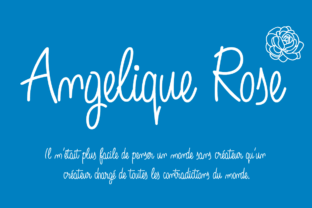
As makers and small business owners, we know that the right typeface can be the difference between a product that looks homemade and one that feels professionally curated. Finding a script that balances artistic flair with production practicality is often a challenge, but Angelique Rose delivers exactly that balance. This handwritten font, originally drawn with pen and paper, captures the authentic imperfections of analog calligraphy while maintaining the clean vector lines necessary for modern crafting. For those of us creating physical goods, digital downloads, or branding assets, Angelique Rose offers a versatile solution that brings warmth and personality to our work without sacrificing legibility.
The Authentic Appeal of Pen-and-Paper Typography
In a marketplace saturated with overly polished digital scripts, customers are increasingly drawn to designs that feel human and tangible. Angelique Rose stands out because its origins are rooted in traditional handwriting rather than digital manipulation. The strokes have natural weight variation, organic connections, and a gentle rhythm that mimics real ink on paper. This authenticity is crucial for crafters selling items like greeting cards, wedding stationery, or personalized gifts. When a customer picks up a birthday invitation or a jar label featuring this typeface, they perceive a level of care and artistry that standard system fonts simply cannot convey.
For printable product creators, this visual texture adds immediate value to digital downloads. Whether you are designing a daily planner page, a wall art quote, or a seasonal greeting card template, the organic flow of Angelique Rose creates an emotional connection with the end user. It transforms a simple PDF into something that feels like a keepsake. This emotional resonance is a key driver in converting browsers into buyers on platforms like Etsy or Creative Market, where aesthetic appeal directly correlates to perceived quality.
Practical Applications for Physical Products
Beyond its beauty, Angelique Rose is a workhorse for physical product creation. Its design considerations make it particularly suitable for various crafting mediums where readability and cutting performance are paramount. Here is how this creative font performs across different product categories:
- Product Labels and Packaging: For candle makers, soap artisans, and boutique skincare brands, label space is often limited. Angelique Rose remains distinct at smaller sizes, making it ideal for ingredient lists, scent names, or "handmade with love" tags. Its open counters prevent ink bleed on textured papers or uncoated sticker vinyl.
- Vinyl Decals and Signage: Cricut and Silhouette users will appreciate the smooth anchor points in this script font. Unlike jagged auto-traced fonts, Angelique Rose cuts cleanly on adhesive vinyl and heat transfer vinyl (HTV). It works beautifully for monograms on tote bags, names on water bottles, or welcome signs for events.
- Wedding and Event Stationery: The romantic yet readable nature of this display font makes it perfect for place cards, menu headers, and seating charts. It provides the elegance required for formal events without becoming so ornate that guests struggle to read their names or dinner options.
- Apparel and Merchandise: When used on t-shirts, sweatshirts, or baby onesies, the font’s natural bounce adds a playful, approachable vibe. It pairs exceptionally well with minimalist line art or botanical illustrations for trendy, boho-style merchandise.
Readability and Production Best Practices
While Angelique Rose is undeniably attractive, successful commercial use requires mindful application. As a handwritten font, it shines brightest when used for short phrases, names, titles, or decorative accents rather than long paragraphs of body text. For extended information like shipping policies or detailed product descriptions, pair this script with a clean sans serif font or a simple serif font. This contrast not only ensures readability but also elevates the overall design hierarchy, guiding the customer’s eye to the most important information first.
When preparing files for cutting machines or professional printing, always test your sizing. While the font is optimized for vectors, extremely thin connecting strokes may need slight reinforcement if you are cutting intricate designs on glitter vinyl or flocked HTV. In design software, utilizing OpenType features such as ligatures and alternate characters can significantly enhance the natural flow of the text. These built-in variations prevent repetitive letterforms and mimic the way a human hand naturally adjusts spacing and connections, further reinforcing the handmade aesthetic that defines your brand identity.
Elevating Brand Identity Through Font Pairing
Consistency is the backbone of a recognizable small business brand. Angelique Rose serves as an excellent primary display font for logos, social media graphics, and packaging headers, but it needs supportive partners to create a cohesive visual system. For a modern, minimalist boutique look, pair it with a geometric sans serif font. The structured neutrality of the sans serif grounds the expressive energy of the script, creating a sophisticated balance that appeals to contemporary consumers.
Alternatively, for a vintage or farmhouse aesthetic, consider pairing Angelique Rose with a classic serif font or a textured typewriter style. This combination evokes nostalgia and tradition, which is highly effective for heritage brands, bakeries, or antique shops. When designing templates for sale, offering pre-set font pairings within your product listings can add immense value for your customers, saving them time and ensuring their final projects look professionally designed even if they lack typography training.
Navigating Commercial Licensing for Makers
One of the most critical aspects of using any premium font for business is understanding the licensing terms. Before incorporating Angelique Rose into products intended for sale, verify the specific commercial license included with your purchase. Most standard desktop licenses cover the creation of physical end products like stickers, mugs, shirts, and printed stationery. However, if you plan to use the font in editable templates (such as Canva or Corjl templates), SVG cut files for resale, or digital scrapbooking kits, you may require an extended or special commercial license.
Respecting intellectual property protects both the type designer and your own business reputation. Always keep your license documentation accessible, especially if you sell on platforms that occasionally request proof of commercial rights. Additionally, check for multilingual support if you serve international customers or create bilingual packaging. Ensuring your chosen typeface supports the necessary character sets prevents awkward fallback fonts from breaking your carefully crafted design. By treating typography as a professional asset rather than just a decorative afterthought, you build a sustainable, legally compliant, and visually stunning product line that resonates deeply with your audience.